
 in World
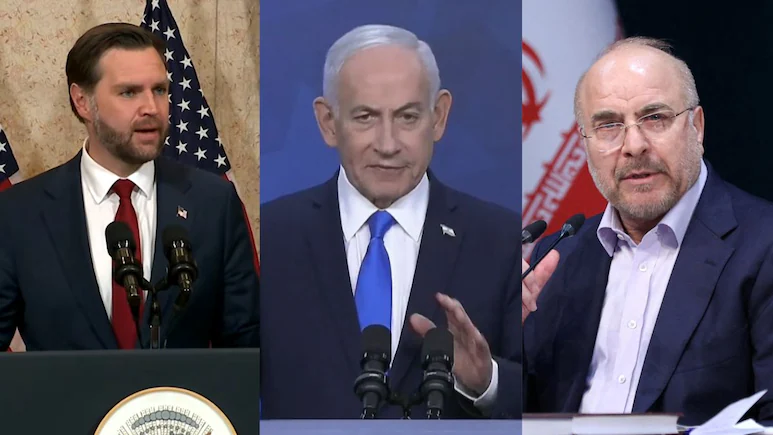
U.S. Vice President JD Vance and American negotiators have departed high-level talks in Pakistan after failing to reach a peace agreement with Iran.
Former U.S. President Donald Trump announced on Sunday that the United States would initiate a naval blockade of the Strait of Hormuz, escalating tensions in the region.
In a statement shared on his Truth Social platform, Trump attributed the decision to the failure of recent negotiations with Iran, which were reportedly held in Pakistan over the weekend. While he claimed that several issues were resolved during the talks, he emphasized that disagreements over Iran’s nuclear program remained unresolved.
Trump stated that the U.S. Navy would begin efforts to block all vessels attempting to enter or exit the Strait, describing the move as a response to what he called “world extortion.” He accused Iran of creating uncertainty in the waterway by suggesting the possible presence of naval mines, thereby disrupting free passage.
He further announced that U.S. forces would intercept ships in international waters suspected of paying tolls to Iran, warning that such vessels would not be granted safe passage. Trump also said operations would begin to remove any mines allegedly placed in the strait.
In a strongly worded message, Trump warned of severe military retaliation against any Iranian forces targeting U.S. or civilian vessels. He also claimed that Iran’s military capabilities had been significantly weakened due to its pursuit of nuclear ambitions.
According to Trump, the blockade would commence shortly and could involve participation from other countries. He reiterated that the United States would not allow Iran to benefit from what he described as illegal actions and signaled readiness for further military escalation if necessary.
WHAT TO KNOW
U.S. Vice President JD Vance departed Pakistan over the weekend after planned negotiations with Iran failed to produce a ceasefire agreement.
Ahead of the talks, Vance held a bilateral meeting in Islamabad with Pakistani Prime Minister Shehbaz Sharif, according to the White House. Sharif had previously played a significant role in facilitating a ceasefire announcement earlier in the week by President Donald Trump.
However, progress stalled after Iran’s chief negotiator signaled that discussions in Pakistan would not move forward unless a separate ceasefire is also reached in Lebanon, complicating diplomatic efforts.

Comments
Comments for this post are closed.